As a street photographer for more years than I’d like to admit to, I’d a say that my style has largely been quite ’in your face’ and nearly always done with a 28 or 35mm lens. Certainly not at Bruce Gilden or Mark Cohen levels, but usually reasonably close to the action. But I’ve found that recently my style is changing and morphing into a quieter type of street shooting - and it’s what I’d like to call ‘poetic’ street photography. So what does this mean, exactly?
My take on this is that it’s photography that suggests rather than explains, or evokes rather than describes, and it leaves room for the viewer to feel something rather than simply recognise what they are looking at. This is not so much about decisive moments or visual gags - it’s more about atmosphere, ambiguity, solitude and the quiet beauty of everyday life. Saul Leiter, of course, knew all this better than anyone, as I think did William Eggleston, although he’s not exactly what you’d call a street photographer in the conventional sense. Maybe Daido Moriyama did too, actually, in his own unique way.
I could be looking for reflections that obscure faces, figures that partially disappear behind objects - or maybe just emotional or the absence of things - liminal spaces, even. All this can be quite powerful because it invites the viewer to take part in making sense of the image. And I think that’s a great starting point to creating an image: getting people to actually think about it.
There’s just so much scope with this style of street photography. You could let the light become a subject in its own right - think about reflections, haze, rain, shadows and so on; make the atmosphere matter as much as the subject. Then there’s the matter of mundane or ordinary things: a peculiar mannequin, a patch of sunlight illuminating something in a closed shop, a discarded glove, an abandoned umbrella - there’s just so much to go at.
Let’s just reinforce some of the key differences between conventional street photography and this more poetic style of street photography:
With the convention approach, the question is what is happening? Whereas with the poetic approach we’re more interested in what is being suggested. It’s all much less obvious.
The conventional approach is more about a moment - or the decisive moment, whereas this is more about the evocative moment - or perhaps the ambiguous moment.
The traditional approach favours human gesture and interaction; poetic errs more towards mood, atmosphere and association.
It’s a case of the photograph tells a story versus the photograph invites a story.
There are some great photographers we can look at who do this very well and a good starting point is Saul Leiter, who makes the streets feel like something that’s glimpsed privately rather than observed objectively. And the big takeaway point from Leiter’s work is to not photograph the whole scene but photograph the fragment that carries its feeling. You may know that he achieved his unique style by using long lenses - usually between 90 mil and 125 mil.
Then there’s William Eggleston, who was expert at drawing out beauty from mundane things and, like Leiter, almost always in colour. And the great takeaway point from Eggleston’s work is that you don't need an extraordinary subject to make an extraordinary picture - and this is something I find really interesting. His book ‘Guide’, by the way, isn’t an expensive one and it gives you a great insight into his style. If you’re interested, I spoke more about this book back in Episode 5 of the Street Photography Podcast.
I think it’s also worth considering Daido Moriyama in this round-up - who I’d say relished the poetry of imperfection. His raw, and grainy, and often fragmented photos convey the instability and uncertainty of street like. And the takeaway from Moriyama’s work? A picture doesn't have to be technically pristine to be emotionally compelling.
You should also have a close look at Pinkhassov, the Russian photographer whose work is perhaps the embodiment of this approach.
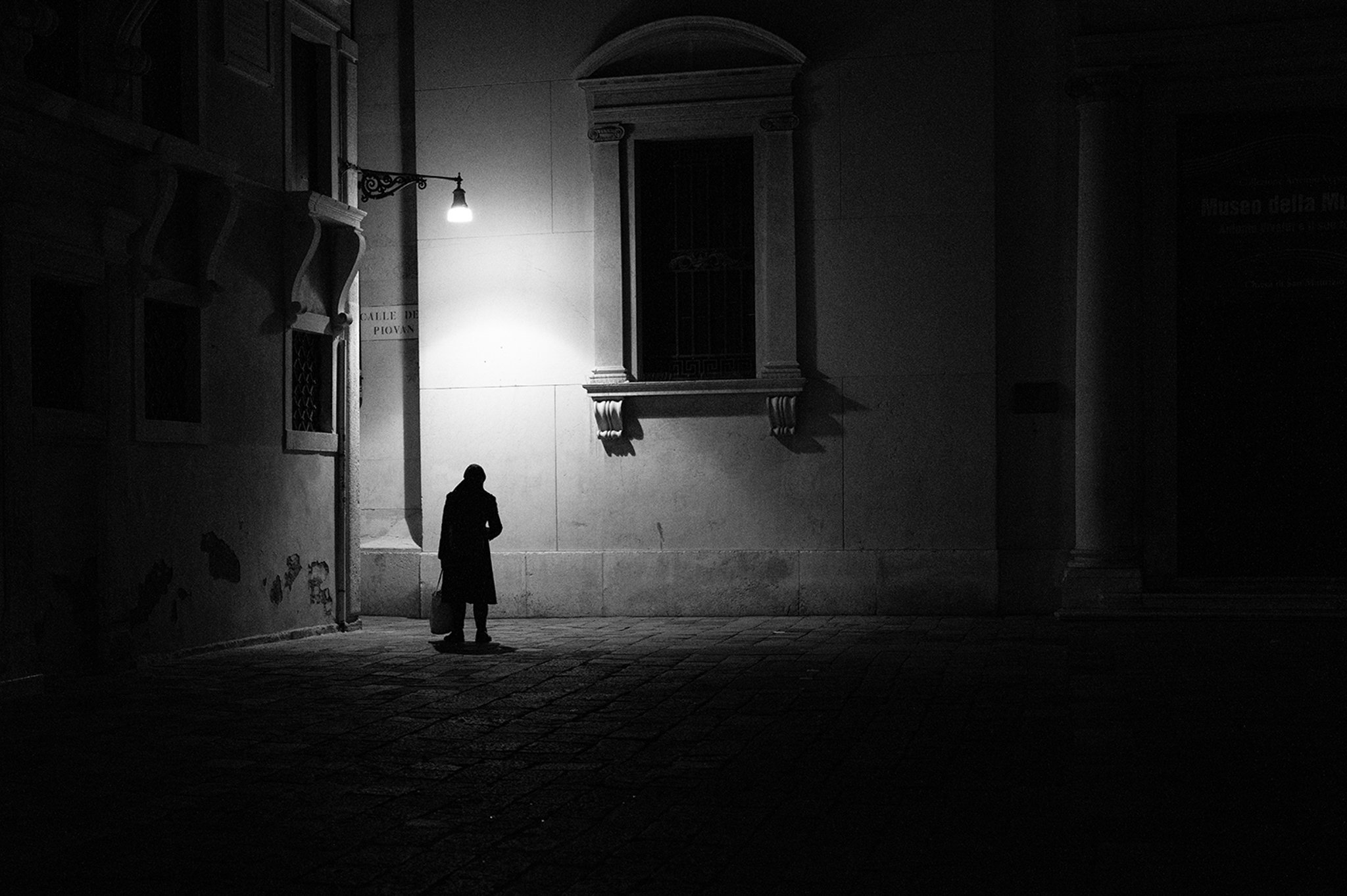
But let’s put all this into context with a realistic example that we can all imagine. Imagine there’s a person standing beneath a streetlight at night. A conventional approach might capture a decisive moment such as a gesture or an interaction with another person. But a poetic approach might place that person at the far edge of the frame, surrounded by darkness, with a reflection stretching across wet pavement. Although particularly dramatic happens, the image might evoke isolation, anticipation or the feeling of being a stranger in your own city. So the difference lies not necessarily in the subject, but in what you, the photographer, choose to emphasise and what you choose to leave unresolved.
However, don’t let this become simply an exercise in making everything look mysterious by, for example, underexposing every frame, adding blur, photographing anonymous figures in the rain, or relying on reflections and silhouettes. Admittedly, these techniques can work beautifully, but they don't automatically produce poetry.
The killer point is that a photo becomes poetic when its visual elements seem to carry meaning beyond their literal subject. A simple, sharply focused photograph of a woman waiting for a bus can be more poetic than a heavily blurred, atmospheric photograph of an empty street. And poetic street photography isn’t necessarily about making beautiful pictures, either. It can be unsettling, awkward, melancholy or even ugly. Its defining quality is that it creates an emotional or imaginative resonance that extends beyond the immediate scene.
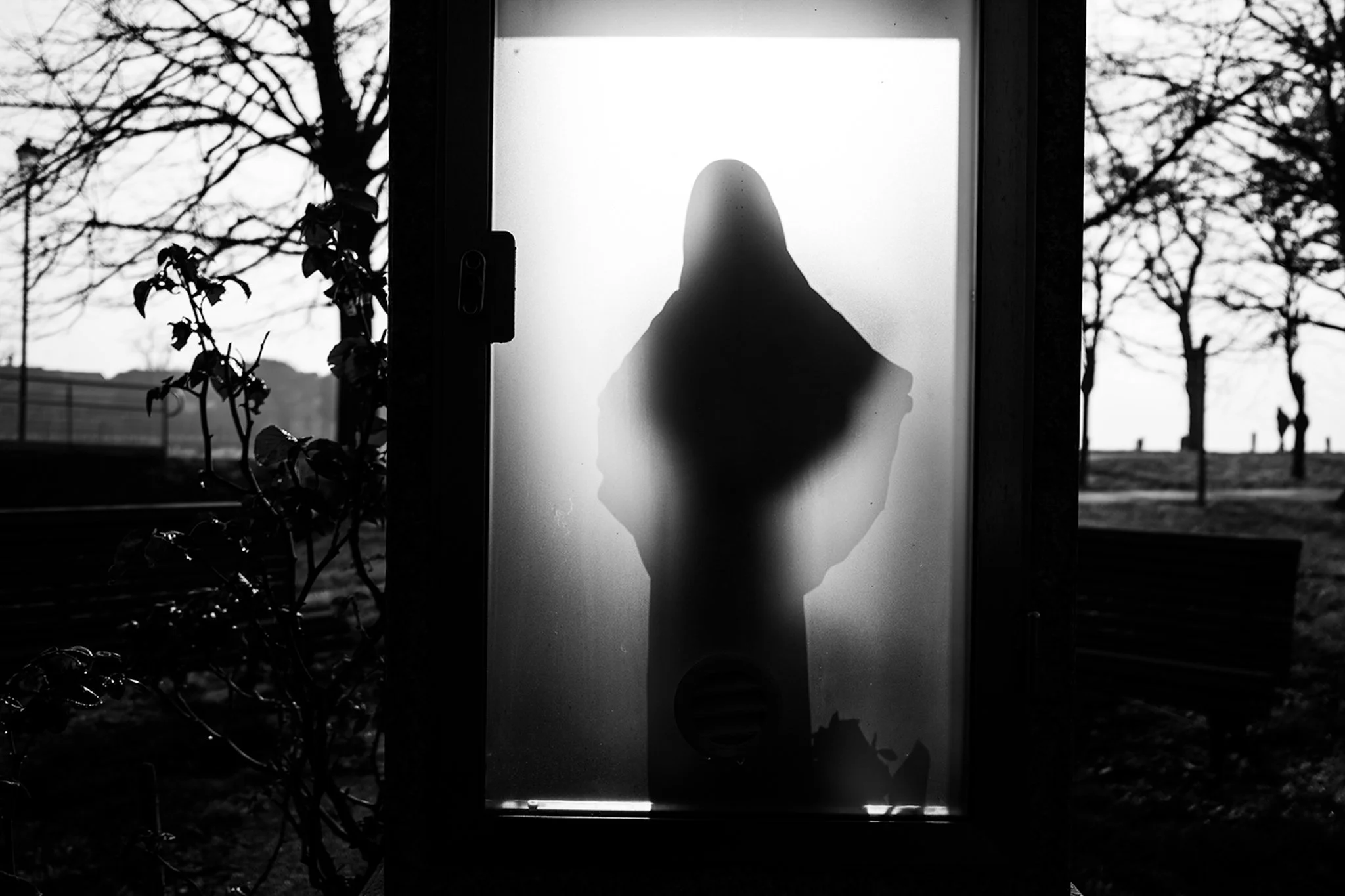
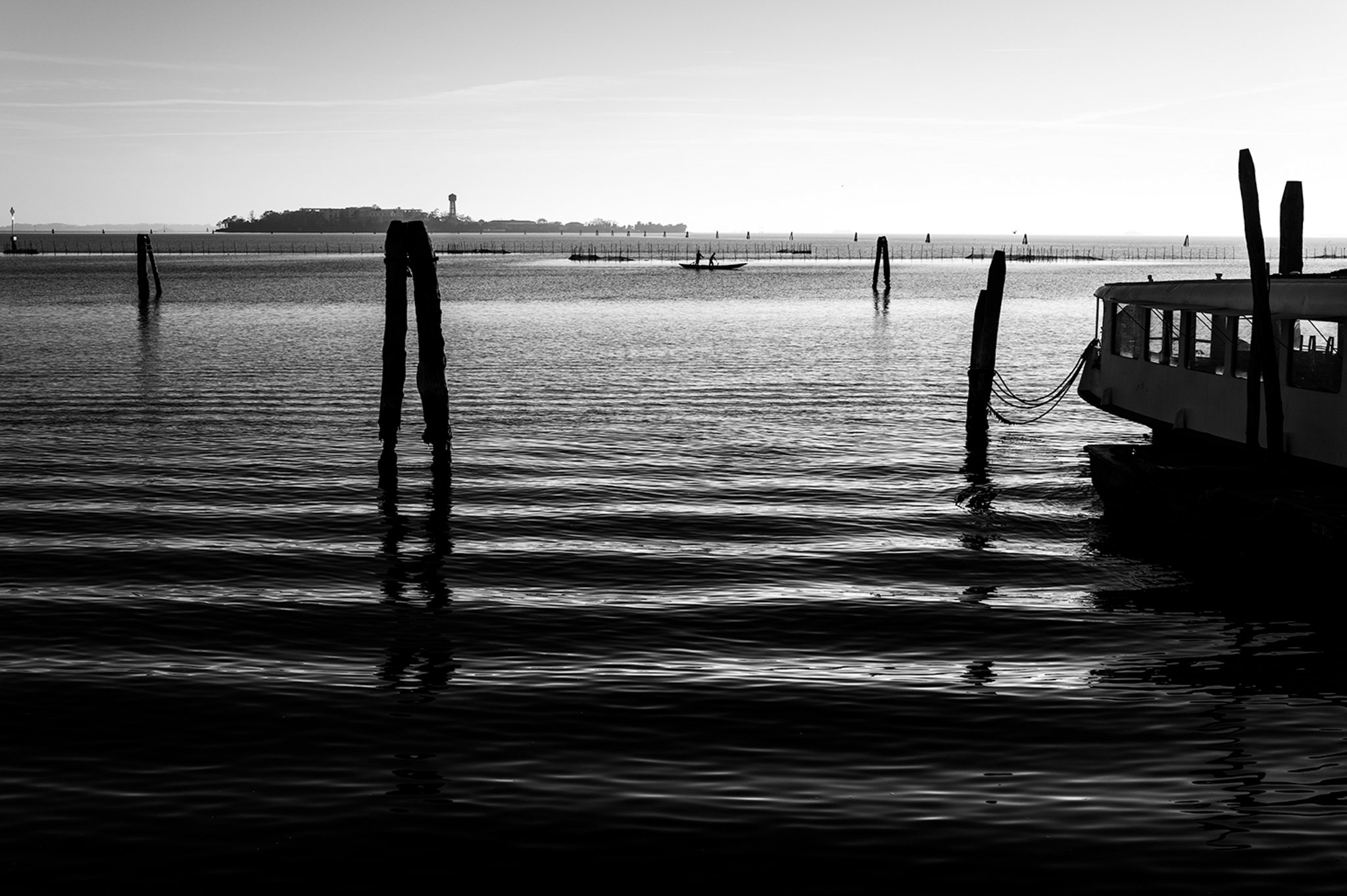
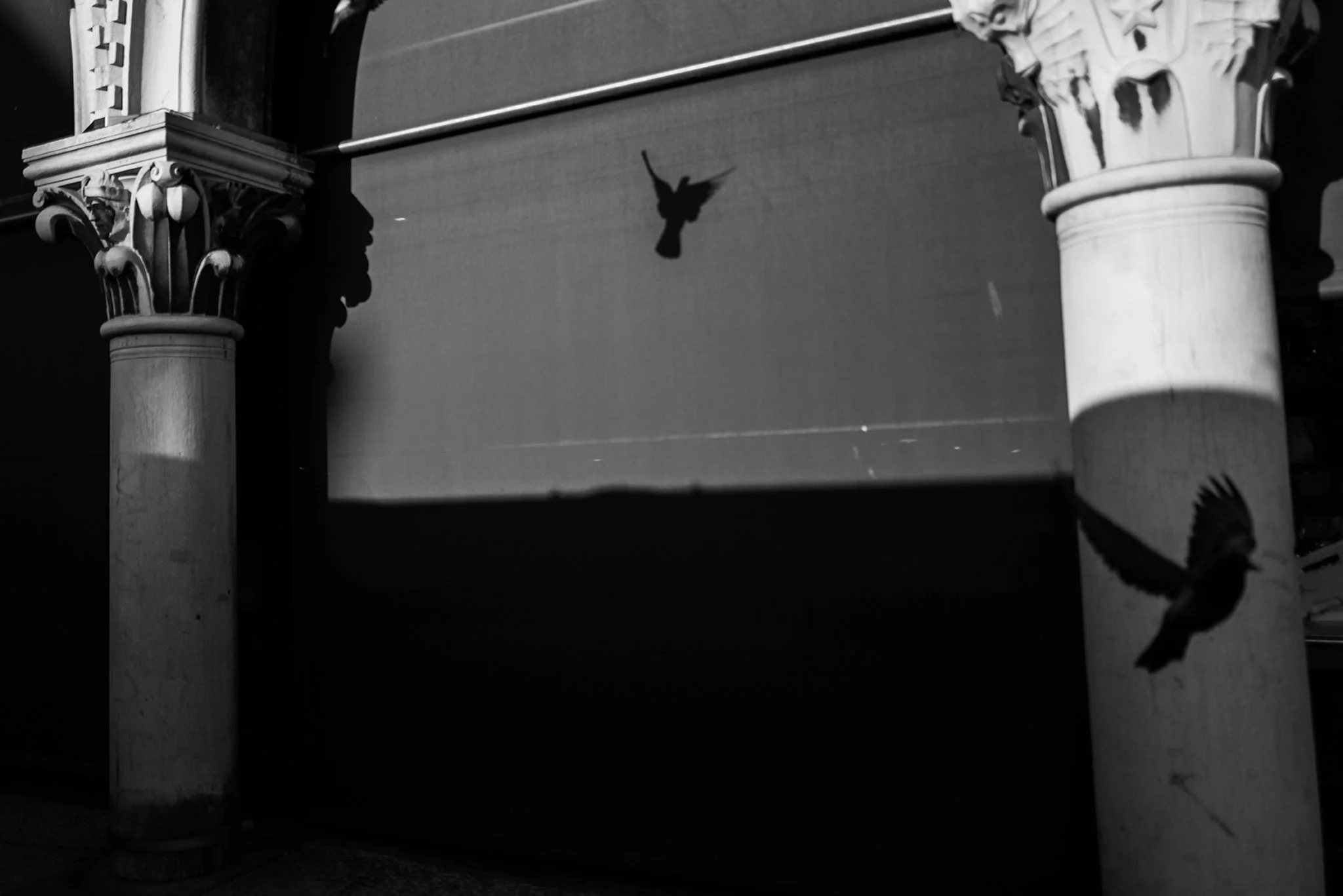
Below are a few of my recent images from Venice which I would call poetic street photography . . .